Showing posts with label Top 5 Fishing Tips. Show all posts

Friday, April 8, 2011

Top 5 Bass Fishing Tips

Top Bass Fishing Tips - Part Five - Bass Fishing the Reeds
This is the last article in our series entitles Top Bass Fishing Tips. If you have missed any of our previous articles in this series I highly recommend you do a quick a search to find them as they compile some of the best bass fishing techniques that will help you catch more bass. With all that said, let's look at the topic of today's top bass fishing tips article. Today will be looking at bass fishing the reeds.
The secret behind many bass fishing techniques is knowledge and understanding of proper presentation in order to catch that lunker we dreamed about the night before. Well every time I spy a bed of reeds this is exactly the first thing that runs through my mind, and my heart starts pumping as if I just won the lottery. It is no surprise really that this happens because any good bassmaster elite fisherman is going to tell you bass fishing the reeds is gold. Here are a few things to keep in mind when fishing the reeds.
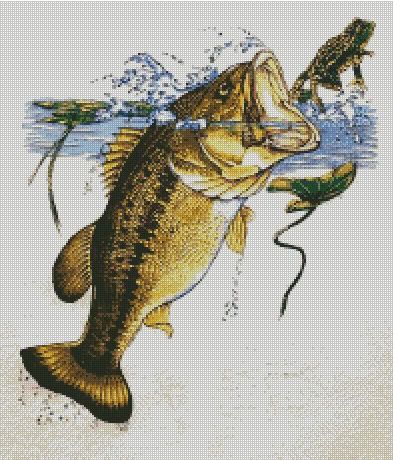

1. Getting a Great Cast. This is one of the most valuable top bass fishing tips when it comes to fishing in the reeds. The reason is that the weed structure is actually quite thin surrounding the bass and without setting up far enough away from the bass and going for those longer distance casts, you risk spooking the bass. So it makes sense the farther away you are from the bass in this situation the less sensitive the bass will be to your presentations.
2. The Trajectory of the Cast. Wow I bet you never saw that one coming. A lot of bass fisherman rarely consider the actual trajectory of their cast yet talk to a bassmaster elite and he'll tell you he has his mind on that all the time. It is one the most critical aspects to getting a great cast. Thick reeds do not lend themselves well to flipping or pitching rod techniques and will cause you a lot of hang ups. What I like to do in reed growth is cast for the sky. The idea is to get it high and long. By doing this you will have a better chance of landing in-between the reeds without hang ups and place that bait or lure right on the bass's nose.


3. If you don't get a Strike "Dead Stick It". Bass fishing the reeds is like walking fine line, and sometimes you'll have no idea if you crossed it. You could be sitting far enough back, pitching your lures high to the sky and still not getting any strikes. It's hard to say the exact reason, perhaps you think you are far enough away from the bass to not be spooked, but aren't. Perhaps the guy you fished this spot and hour before made the bass shy, there are million reasons, so if you don't get a strike after a few casts, dead stick it to them. Let your bait or lure sit there for a few minutes, just in case the bass might what to think about it your presentation before nailing it. After your convinced nothing is there (or your patience just can't take it anymore) work the lure back slowly, don't horse the retrieve as you'll not only spook the bass but in all likely hood get hung up in the reeds then your done like dinner. This method of bass fishing may be frustrating but learning to finesse weed rigs is the real winner for bass fishing the reeds.
Well there you go a couple quick top bass fishing tips for fishing the reeds that are sure to help you catch more bass. The goal of this series was to give you great bass fishing techniques so that you can become the next bassmaster elite. So what are you waiting for head on out, wet that line and catch the lunker of a lifetime. See you on the water.

To learn more bass fishing tips that can help you catch more bass, head on over to Top Bass Fishing Tips. Here I not only show you more bass fishing techniques but take an in-depth look at bass habitat and a whole lot more.
See my previous post:

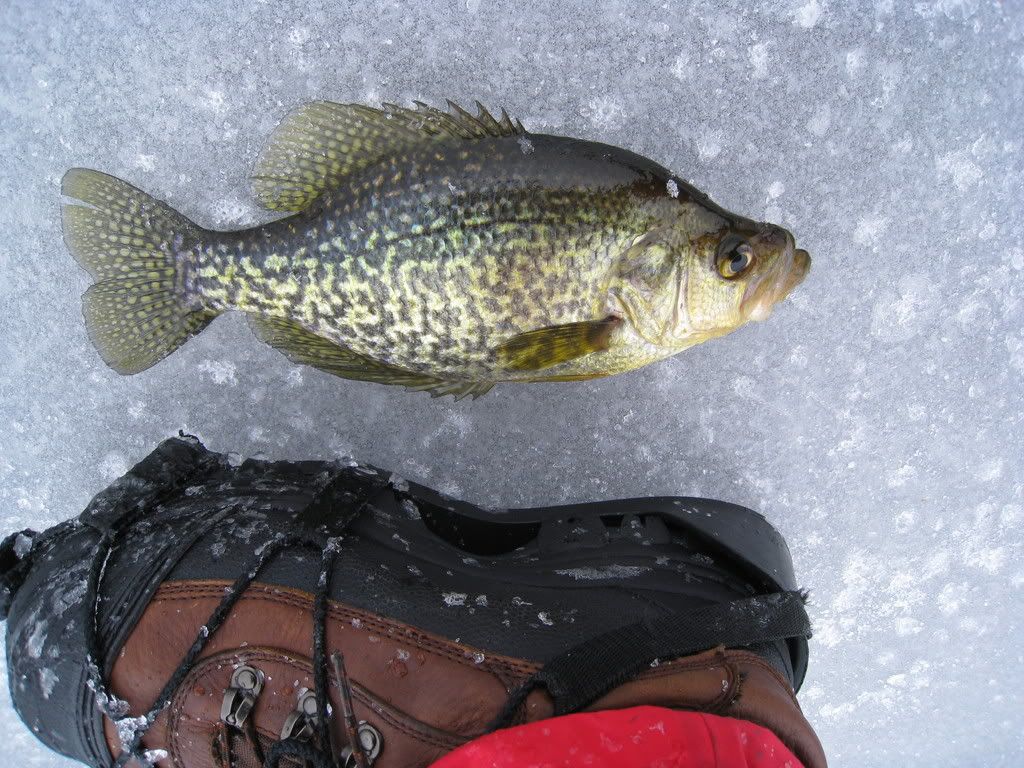
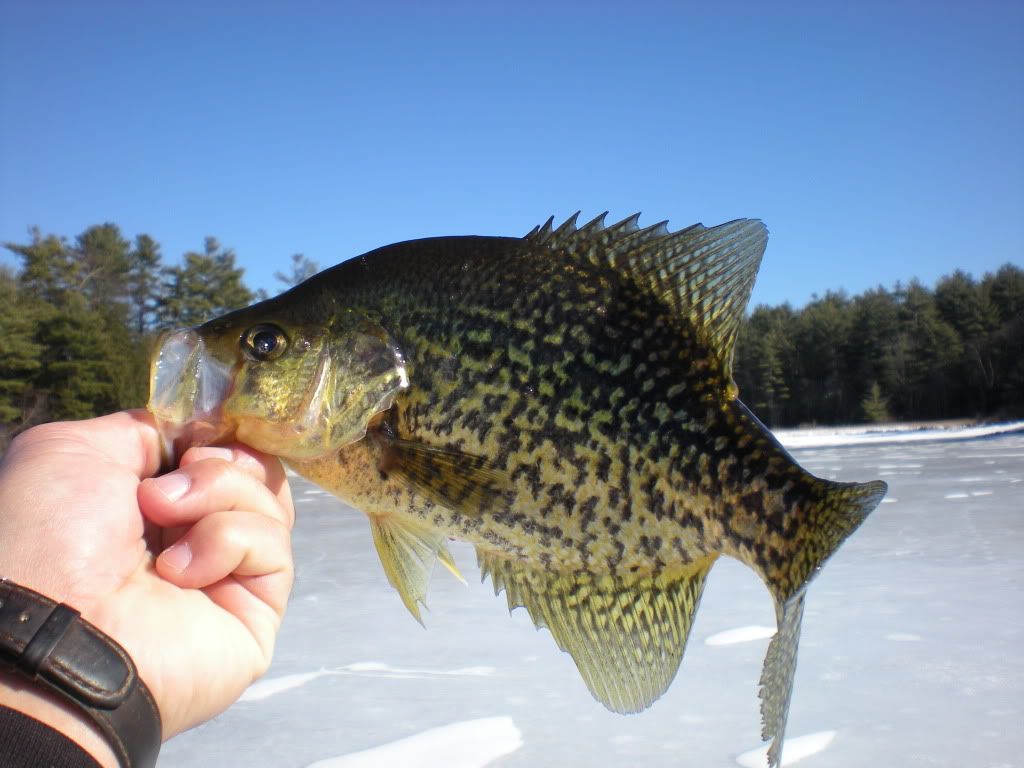
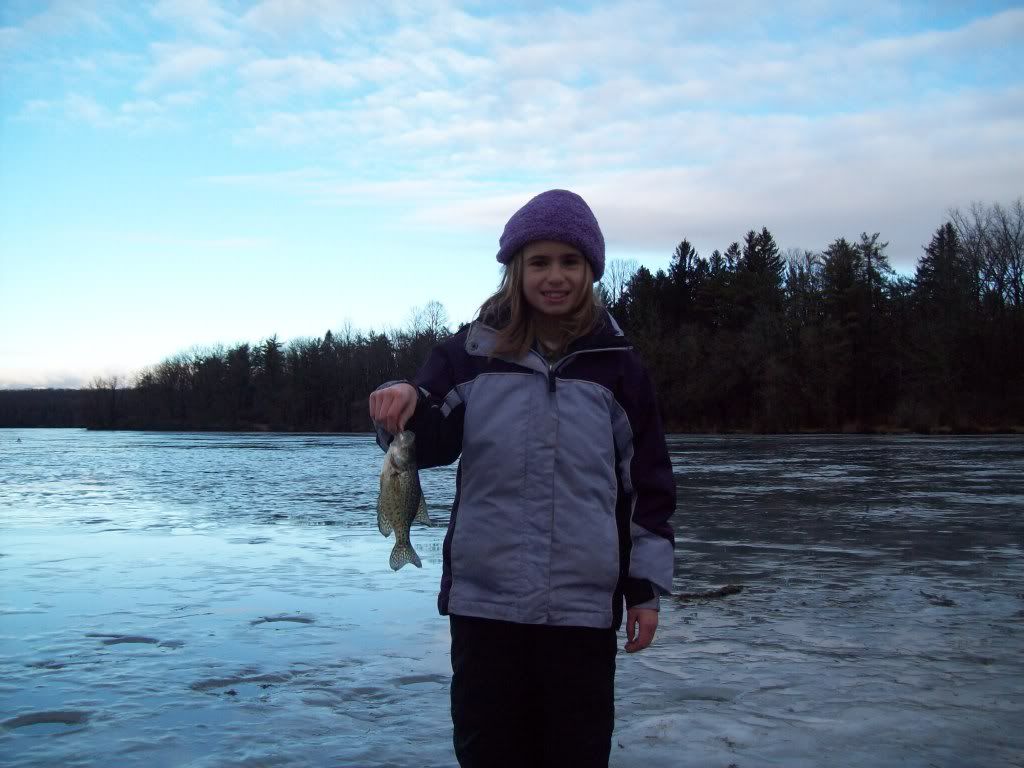
Top 5 Bluegill And Crappie Ice Fishing Tips

Fishing the right location for panfish may seem like a simple ice fishing tip it is critical for success and most often not given enough attention. Simply put even the best bluegill or crappie fisherman can not catch fish that aren't there. In any given body of water there will be the number one spot, number two spot, and so forth with the number one spot holding the largest group of fish. It should also be noted that these locations can also be further categorized in year classes, meaning that most often year classes do not mix. There are three methods to determine to the best fishing locations. The first method is to understand the type of habitat that bluegills or crappie prefer. The second method is the use of modern day electronics such as flashers and underwater fishing cameras. And the third method is a combination of the first and second which most anglers would probably agree is the most efficient. When fishing lakes early in the ice season panfish will typically relate to weeds that are still green. During mid winter both bluegills and crappies will seek the deeper waters of a lake, especially crappies which often suspend of over very deep water.

But before coming too infatuated with any one given body of water the best ice fishing will most likely be found on lakes with the highest populations of bluegills and crappies. While this may sound elementary very few ice fishermen take the time to research state DNR data to choose the best lakes to fish. DNR net data is a gold mine of information that not only gives you the overall population density of fish, but also detailed data of the sizes of fish caught in the netting studies. Sitting by a computer to research this data is much easier than actually traveling to a lake several times just to find out that marginal fishing exists. Using this simple ice fishing tip can save you many hours of frustration sitting on the ice of an unproductive lake.

Staying mobile versus fishing unproductive areas to long can often be the down fall of many ice fishermen. With modern day ice fishing equipment such as highly portable flip over ice shelters and power augers there's simply no reason not to move and find active fish. It is much easier to catch active fish than to try every lure in your box making in-active fish bite. There's only so much time in given day, it's up to you to make the most of it. By organizing your gear at the beginning of ice fishing season and every trip out you will become much more efficient in moving from one location to another.
While many ice fisherman own flashers very few actually trust these modern day marvels. Some times this lack of trust is because the individual really hasn't mastered reading the device. Paying very close attention to detail such as settings and the display is the secret to getting the most out of a flasher. Underwater fishing cameras are another very valuable asset to ice fisherman in the pursuit of panfish. With this device there is no lack of trust by ice fisherman, only the skeptics who don't own one. Underwater cameras are a great learning tool as you can actually see what is below the ice and then compare those facts to the display of your flasher.

Having the proper ice fishing gear such as rod, reels and line is critical for catching the most bluegills or crappies in a productive location. Too many times anglers know their gear may be lacking but just go along with the assumption that it's good enough. Pool cue style rods will not help you detect the subtle bit of finicky panfish and will also not help you obtain the right jigging motion of light weight lures. Heavy fishing line will also hinder the jigging the movement of a tiny ice fishing jig. Two or three pound test monofilament line is plenty strong for either crappies or bluegills and will also help you detect very light bites.
I hope you have enjoyed reading these ice fishing tips for catching more panfish and always remember to have fun and fish safe!

Jeff Matura has spent over twenty years fishing during the open water season as well as the hardwater ice fishing season in rivers, lakes, and reservoirs. The Mississippi River is one of his favorite fishing destinations.
Visit his latest website for the best selection and deals on fish finders for sale including the popular Vexilar flasher.
See my previous post: 

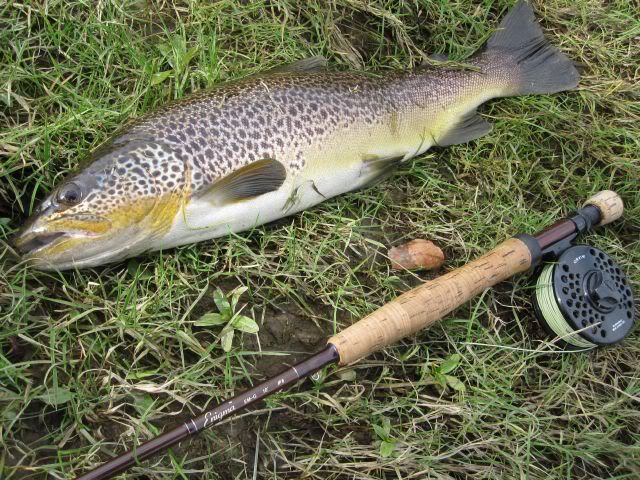
Top 5 trout Fishing Tips

Trout Fishing Tips - The Top Five
I've been trout fishing for quite a long time, and during the past twenty five years I've learned a ton of tips that enable me to catch trout. I even had the pleasure of learning from someone I consider to be a trout fishing master. This man was able to catch trophy trout out of small rivers and streams where no one thought trout of that size lived.
My point is that I've learned many trout fishing tips during the last 25 years of trout fishing, and in this article I'm going to reveal what I consider to be the "top 5". These five tips will most certainly help you catch more trout and generally become a much better trout angler. They aren't complicated and can be implemented very easily and quickly. Let's get down to business, shall we?


  1. Use Light Line - Many trout fishermen make the mistake of using fishing line that's much too heavy. Trout have very keen eyesight, and can easily detect fishing line under the water if it's too heavy. And guess what happens if the trout can see your line? Yep, they are much less apt to bite. That's why the first tip is to use light line. For most trout fishing, fishing line shouldn't be heavier than six-pound test. I personally use only four-pound test, but six pound is passable.
  2. Your Clothing
  3. Pay Attention To Your Hands - This may sound strange, but as a trout angler, you want to pay attention to your hands, and more specifically the scents that may be on your hands. You see, trout can smell very well, and if they detect unnatural odors on your bait or lure, they are much less apt to bite. The best way to make sure that your hands are free of unnatural odors is to grab a handful of grass or dirt and rub it into your hands before baiting up. "Washing" your hands in this way will eliminate any unnatural odors from your hands.
  4. Use Gang Hooks - What are gang hooks? Gang hooks are simply a pair of small hooks tied in tandem, which enables live worms (and other live bait) to be presented in a completely natural manner. This makes a big difference when trout fishing. You always want your bait to look as natural as possible. This is why carrying and using pre-tied gang hooks is important to trout fishing success. Without gang hooks, live worms end up looking like a worm ball rather than a natural worm.
  1. Pay Attention To Mother Nature - paying attention to Mother Nature, and more specifically the weather and moon, will have a dramatic affect on your trout fishing. These two forces of Mother Nature have a huge impact on the behavior of fish, and understanding exactly how will make a huge difference in your catch rates. Believe it or not, paying attention to Mother Nature may be the most important tip in this article.
There you have it, the Top 5 trout fishing tips, in my estimation. How do I know these tips will help you catch more trout? Mostly because I've been using ever one of these tips in my own trout fishing for more than 25 years, and know they work. These exact tips have been helping me catch more trout for a long time, and I'm confident they will do the same for you.

Trevor Kugler is co-founder of JRWfishing.com and an avid angler. He has more than 20 years experience fishing for all types of fish, and 15 years of business and internet experience. He currently raises his three year old daughter in the heart of trout fishing country... Montana!
Retractors Are Buy 1 Get 1 FREE - http://www.jrwfishing.com/JRWretractors.htm
See my previous post: 

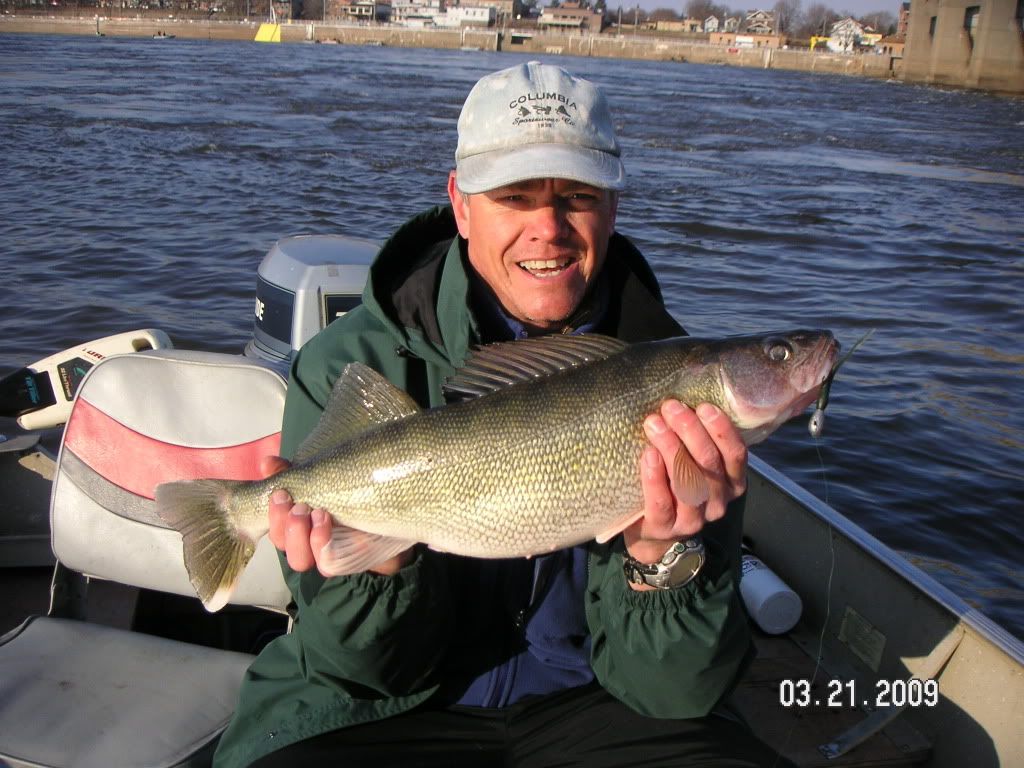
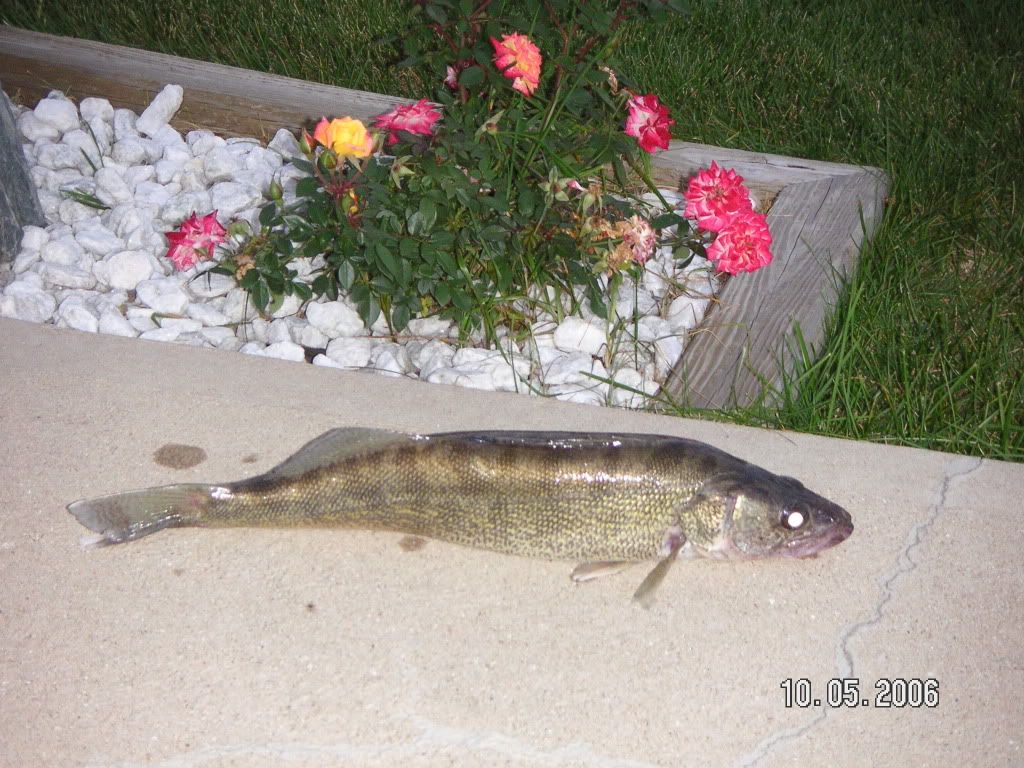
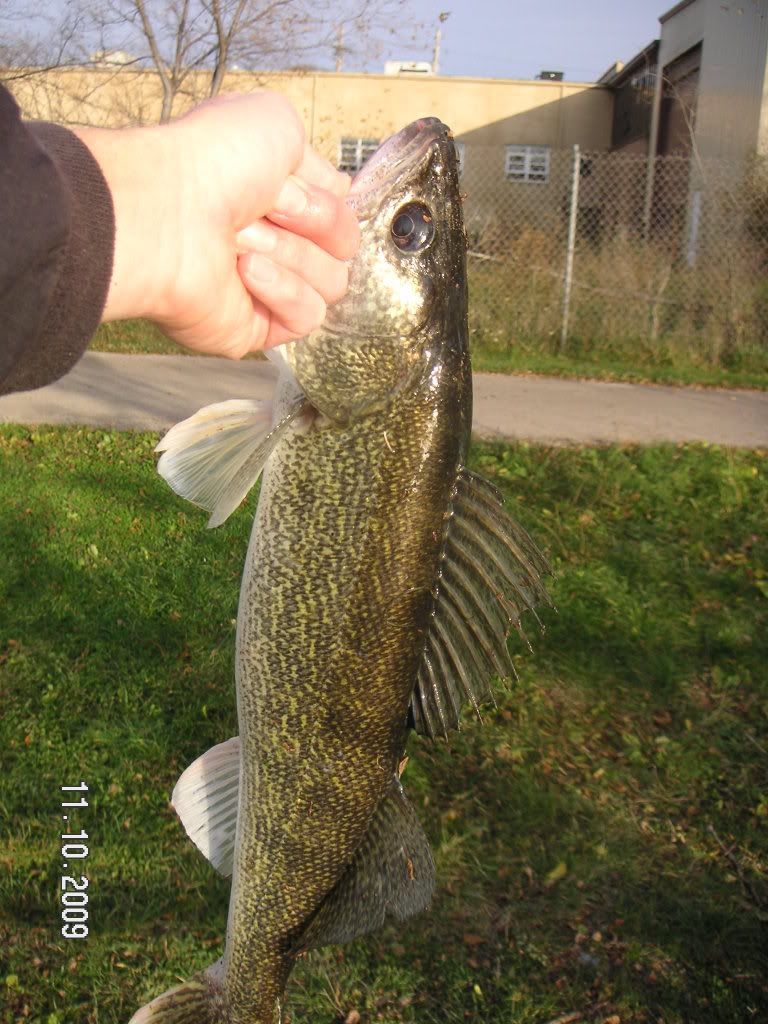
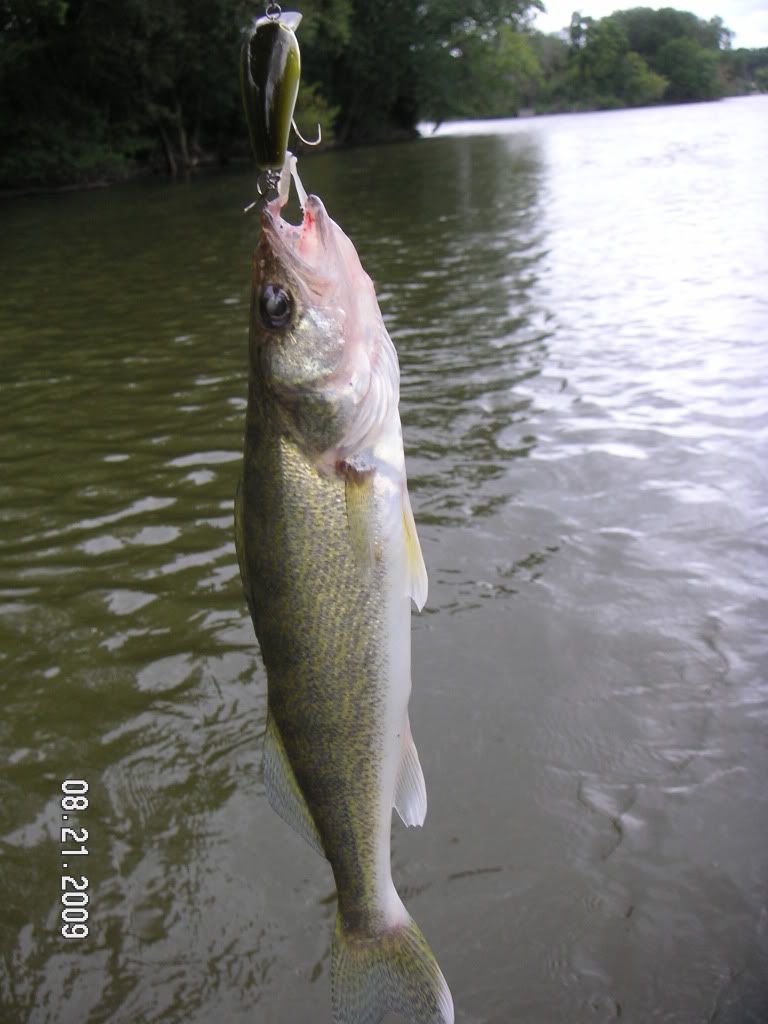
Top 5 Killer Walleye Fishing Tips!

I am going to begin by stating that what you are about to read our my personal experiences and my goal is to provide you with true and accurate walleye fishing tips that I personally use myself. Hold on to your pants because it will feel like you are on the water using these very tips as you continue to read.
Jig & Minnow on the flats
While on the mighty Chippewa flowage in Northern Wisconsin we had spent the entire morning walleye fishing and even though I have fished these waters for years, we were very disappointed in boating only two small walleye. We vertical fished a hole near the dam in blueberry lake, we then headed over to a shallow point in scott lake which was one of my favorite spots and got skunked there also. We headed back to the lodge at Tiger Musky Resort which is where we were staying and had some lunch after an exhausting morning.

While having a few beers, Jason who now runs the resort for his parents Moose and Millie, looked over at me and said "a cold front is moving in", I asked him if he can provide some walleye tips, he then leaned over and quietly said "a jig and minnow on the flats". I got the map out and began looking at it and he said "you do not need a map, the flats are just around the bend about a 1/2 mile to the left". He said "I am free later this afternoon and I will take you out just before dusk". We arrived at the flats, it was a sandy area about 8ft deep and he suggested a 1/8 ounce lead jig with a walleye minnow and we should slowly pop it over the top of the vegetation. needless to say, we filled the livewell with our daily limit and had to release a heep load of fish.

Rubber Worm Rigged Texas Style
The setting is Shabonna lake in Northern Illinois which is a musky lake, I tend to fish musky lakes because they also hold plenty of walleye. We started the day in the no motor area which is limited to electric trolling motors only because of all the stumps that were submerged just below the surface. We were fishing shallow running rapalas and getting a few fish, but nothing to brag about when we suddenly spotted two fellows casting rubber worms and of course we assumed that they were bass fishing. As we looked on, we noticed that they were nailing walleye, one after the other. We gave it a try and the results were amazing, most of our catch were two to four lbs.

Vertical Jigging In Your Face
After a morning of fishing in the no motor area at Shabonna, we headed to shore and entered the bait shop and as we were browsing around I noticed that Jim, the owner of Big Jim's Bait Shop who I came to know from years a fishing the lake, was arguing with a fishermen. Jim walks over to me and said "the nerve of that guy", I asked what was the matter and he replied that the guy asked him for some walleye fishing tips and as he proceeded to tell him, the fishermen dismissed it as a hoax. Jim then asked if I was going back out on the water and I said why of course I am, he then said to try the deep trees. Jim said to vertical jig a minnow hooked by its tail, as you jig it, the minnow drops back face first towards the walleye. "I call it the in your face method", said Jim. We went home as happy campers that day.

Spinner With Orange Twister Tail
It was early spring and we set out to fish a nearby lake called Tampeir Lake, as we fished some of our favorite spots, using some live bait, we were getting a few walleye in the boat and suddenly it just stopped. We then moved to another spot and then to another with not a single bite. The fish had completely turned off, so I switched to lures and after trying a few with no luck, I then grabbed a small spinner and put on an orange twister tail and they came back to life, and I must say, that was very exciting.

Lindy Rig For A Walleye River
It was a fall morning in late September with overcast skies and we were on the Wisconsin River, we set up some Lindy Rigs because a local angler had said that they were killing them on Lindy rigs. We were indeed killing them as we were told, we boated so many walleye that we ran out of minnows. we used other methods that day but none worked as well as the Lindy Rig.
So what should we conclude from all of this, I think that you can say that each body of water is different and weather conditions also play an important role, but the most important advice to take from reading this article is to listen to the locals.

Joseph Mancia has been fishing the midwest for over 20 years and provides some the best Walleye Fishing Tips from his own personal experiences. to learn some more of his outstanding walleye tips visit http://www.walleyefishingtips.org
Article Source: http://EzineArticles.com/?expert=Joseph_Mancia

See my previous post: 

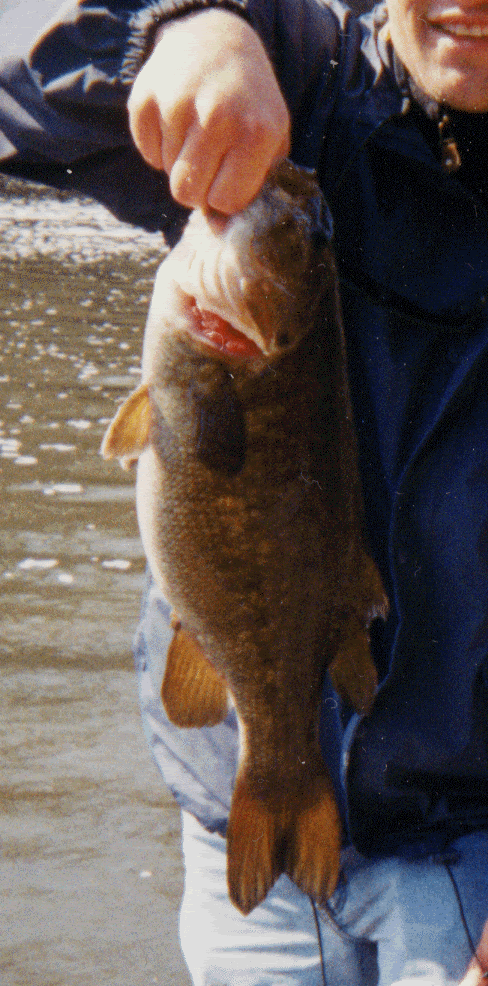
Top 5 Smallmouth Fishing Tips

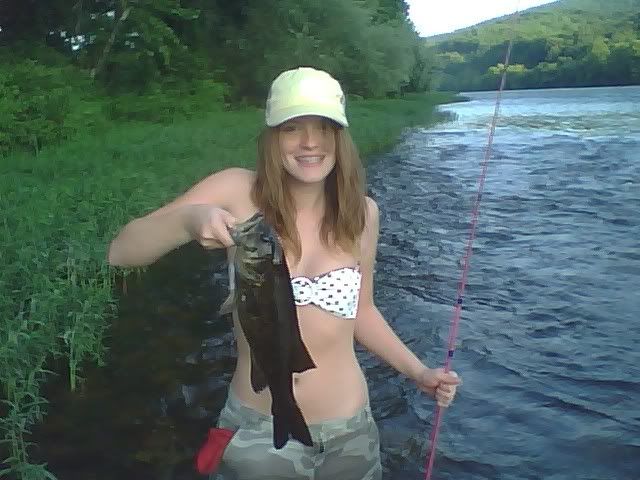
In this article I'm going to reveal 5 smallmouth bass fishing tips that will help any angler catch more smallmouth bass on their next fishing excursion. Although most of these tips can be modified to help you catch smallmouth in many situations, they are particularly effective when used in the flowing waters of both streams and small rivers. If you never realized it, these fish can be caught in much the same manner as trout, and this is the type of fishing I'm referring to.
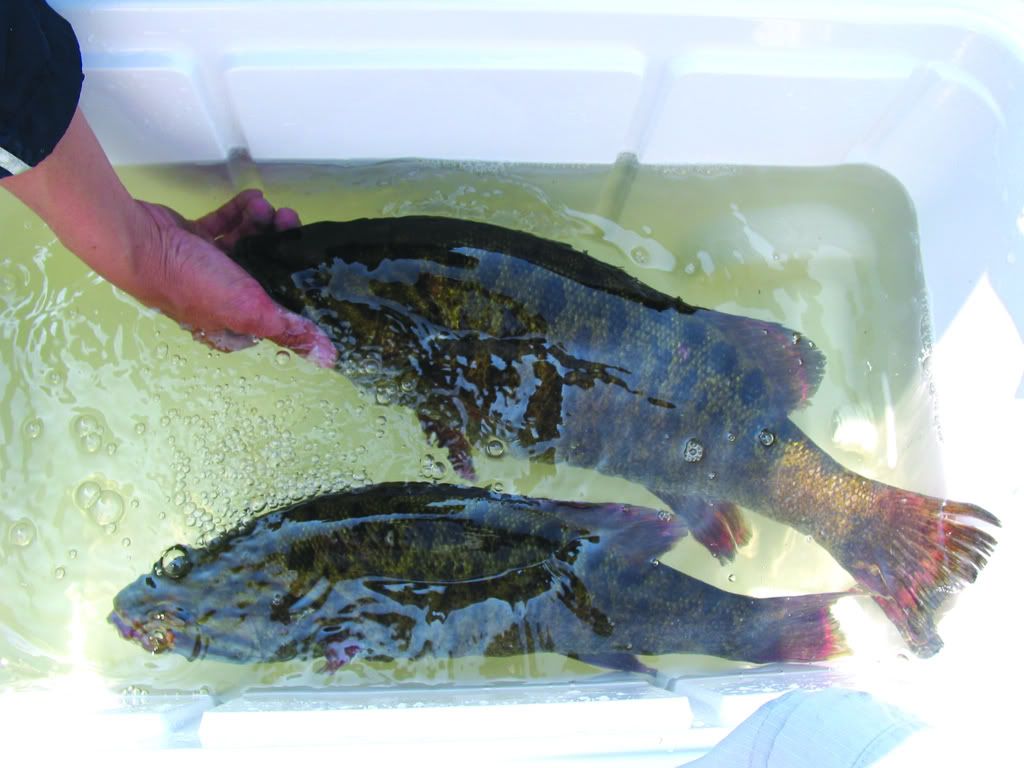
Smallmouth Bass are widely considered to be the hardest fighting fish, pound for pound, that swims in freshwater. If you throw the current of a river or stream into the mix, the results can be as much fun as a person can have with their clothes on! These hard fighting fish have an uncanny knack for using the current top their advantage during the fight, which can make landing them that much more challenging.
In any case, let's get down to business, shall we? As far as I'm concerned, the tips below are the top 5 smallmouth fishing tips (in no particular order).


  • Use Light Gear - When fishing for smallmouth, especially in river and stream situations, we want to use fishing gear that's as light as possible. When I refer to the word 'gear', I'm referring specifically to your rod, reel, and line. I personally prefer ultra light action rods and reels, spooled with four-pound test. Light action gear spooled with six-eight pound test is passable as well, but anything heavier than this should not be employed. Using light gear will result in more bites, and more bites will result in more fish being caught, it's that simple.


  • Be Efficient - Being efficient when your on the water is important, because the more efficient you are the more time you spend with your line in the water (where the fish are), rather than searching for gear and/or bait. This is especially true when wading and fishing the flowing waters of a river or stream. This is where things like retractors, rod rulers, and bait bags come into play. All of these products make you more efficient, which means you get to spend more time with your line in the water. Being as efficient as possible when smallmouth fishing is always a good idea.


  • Pay Attention To Your Hands - This tip is especially true for bait fishermen. Smallmouth have a sensitive sense of smell, and if they detect unnatural scents on the bait your using, they will tend not to bite. This is why you need to make sure that you don't have any unnatural scents on your hands that might transfer to your bait. A good practice is to grab a handful of grass or dirt and rub it in your hands periodically. This will help to eliminate any unnatural odors (that might be on your hands).


  • Pay Attention To When You're Fishing - The time when you're fishing is very important. Did you know that natural occurrences such as the weather and moon have an incredible impact on the behavior of fish? They truly do, and fishing when these factors are in your favor is a great idea. Very few things will have as big an impact on your catch rates as the weather and moon. That's why a great tip is to familiarize yourself with the weather and moon and how the two affect fishing. It will help you catch more smallmouth, I promise you.


    • Use Gang Hooks - When fishing for smallmouth, you want your bait to look as natural as possible. The best way to accomplish this is through the use of pre-tied gang hooks. Gang hooks allow live bait (especially live worms) to be presented in the most natural way possible. Don't you think a live worm should look like a live worm, rather than some sort of worm ball? Of course, it only makes sense, which is why pre-tied gang hooks should always be employed when using live bait to fish for smallmouth.
      These top 5 smallmouth fishing tips will help you catch more bass on your next fishing trip. Employ one or all of them, and find out for yourself. How am I so sure that these are the top 5 smallmouth fishing tips? Because I've personally been using every one of them to catch more smallmouth for more than 20 years, and know they work. And if they work for me, they will work for anyone.
      Trevor Kugler is co-founder of JRWfishing and an avid angler. He has more than 20 years experience fishing for all types of fish, and 15 years of business and internet experience. He currently raises his three year old daughter in the heart of trout fishing country.....Montana!
      The Best Way To Measure Fish - http://www.jrwfishing.com/rodruler.htm